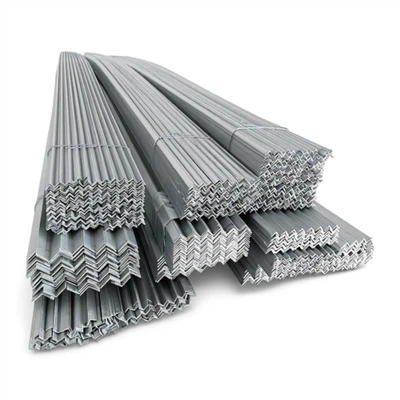
Hey there! As a supplier of stainless steel channels, I often get asked about the differences between stainless steel channels and carbon steel channels. It's a common question, and rightfully so. Both types of channels have their own unique features, advantages, and disadvantages. In this blog post, I'll break down the key differences between these two materials to help you make an informed decision for your next project.
Composition
Let's start with the basics - what are these channels made of? Carbon steel channels are primarily composed of iron and carbon, with small amounts of other elements like manganese, silicon, and sulfur. The carbon content in carbon steel typically ranges from 0.05% to 2.0%. This relatively high carbon content gives carbon steel its strength and hardness, but it also makes it more prone to rusting and corrosion.
On the other hand, stainless steel channels are made of iron, chromium, and nickel, along with other alloying elements. The chromium content in stainless steel is usually at least 10.5%, which forms a thin, protective oxide layer on the surface of the metal. This oxide layer prevents oxygen from reaching the underlying metal, which is why stainless steel is highly resistant to corrosion. The addition of nickel further enhances its corrosion resistance and improves its ductility and toughness.
Corrosion Resistance
One of the most significant differences between stainless steel channels and carbon steel channels is their corrosion resistance. Carbon steel is highly susceptible to rust and corrosion, especially when exposed to moisture, oxygen, and certain chemicals. If you're using carbon steel channels in an outdoor or humid environment, you'll need to apply a protective coating, such as paint or galvanization, to prevent rusting. Even with a coating, carbon steel will eventually corrode over time, especially if the coating is damaged.
Stainless steel, on the other hand, is renowned for its excellent corrosion resistance. Thanks to the protective oxide layer, stainless steel channels can withstand exposure to water, chemicals, and harsh environments without rusting or corroding. This makes stainless steel channels ideal for applications where corrosion resistance is crucial, such as in the food and beverage industry, marine environments, and chemical processing plants.
Strength and Durability
When it comes to strength and durability, both stainless steel channels and carbon steel channels have their own strengths. Carbon steel is known for its high strength and hardness, making it suitable for applications that require heavy loads and high stress. It has a high yield strength and ultimate tensile strength, which means it can withstand a lot of force before it starts to deform or break.
Stainless steel, while not as strong as carbon steel in terms of raw strength, has excellent ductility and toughness. This means it can bend and stretch without breaking, making it more resistant to impact and vibration. Stainless steel channels are also less likely to crack or fracture under stress, which makes them a good choice for applications where durability and reliability are important.
Cost
Cost is always a factor when choosing between different materials. In general, carbon steel channels are less expensive than stainless steel channels. The lower cost of carbon steel is due to its simpler composition and manufacturing process. However, you need to consider the long-term costs as well. If you're using carbon steel channels in a corrosive environment, you'll need to factor in the cost of protective coatings and maintenance over time.
Stainless steel channels, while more expensive upfront, can save you money in the long run. Their superior corrosion resistance means they require less maintenance and have a longer lifespan. This can result in significant cost savings over the life of your project.


Aesthetics
The appearance of the channels can also be an important consideration, especially in applications where aesthetics are important. Carbon steel channels typically have a dull, grayish appearance, which may not be suitable for applications where a more attractive finish is required. However, you can apply a coating or finish to carbon steel to improve its appearance.
Stainless steel channels, on the other hand, have a sleek, modern appearance that is highly desirable in many applications. They come in a variety of finishes, including polished, brushed, and matte, which can enhance the aesthetic appeal of your project. Polished Stainless Steel Channel is particularly popular for its mirror-like finish, which can add a touch of elegance to any project.
Applications
The choice between stainless steel channels and carbon steel channels also depends on the specific application. Carbon steel channels are commonly used in construction, automotive, and machinery industries, where strength and cost are the primary considerations. They are often used in structural applications, such as building frames, bridges, and support columns.
Stainless steel channels, on the other hand, are widely used in industries where corrosion resistance and aesthetics are important. They are commonly used in the food and beverage industry, pharmaceutical industry, and marine industry. Stainless Steel Channel Sections are also popular in architectural applications, such as handrails, balustrades, and decorative elements.
Conclusion
In conclusion, the choice between stainless steel channels and carbon steel channels depends on a variety of factors, including corrosion resistance, strength, cost, aesthetics, and application. If you need a material that is strong, cost-effective, and can withstand heavy loads, carbon steel channels may be the right choice for you. However, if you need a material that is highly resistant to corrosion, has a long lifespan, and looks great, stainless steel channels are the way to go.
As a supplier of stainless steel channels, I can provide you with high-quality products that meet your specific requirements. Whether you're working on a small DIY project or a large commercial project, I can help you find the right stainless steel channels for your needs. If you're interested in learning more about our products or have any questions, please don't hesitate to contact me. I'm always happy to help!
References
- ASM Handbook Committee. (2004). ASM Handbook, Volume 13A: Corrosion: Fundamentals, Testing, and Protection. ASM International.
- Degarmo, E. P., Black, J. T., & Kohser, R. A. (2003). Materials and Processes in Manufacturing. John Wiley & Sons.
- Metals Handbook Committee. (1990). Metals Handbook, Volume 1: Properties and Selection: Irons, Steels, and High-Performance Alloys. ASM International.