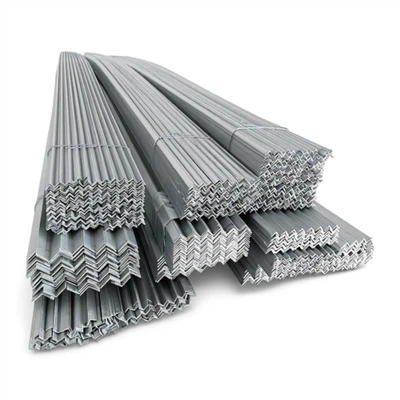
As a trusted supplier of 304 stainless channels, I often get asked about the differences between 304 and 316 stainless channels. These two types of stainless steel channels are widely used in various industries, but they have distinct characteristics that make them suitable for different applications. In this blog post, I'll delve into the key differences between 304 and 316 stainless channels to help you make an informed decision for your projects.
Chemical Composition
The primary difference between 304 and 316 stainless channels lies in their chemical composition. 304 stainless steel, also known as 18/8 stainless steel, contains approximately 18% chromium and 8% nickel. This combination provides good corrosion resistance and durability, making it a popular choice for general-purpose applications.


On the other hand, 316 stainless steel contains an additional 2-3% molybdenum. The presence of molybdenum enhances the steel's resistance to corrosion, particularly in environments where chlorides are present, such as coastal areas or chemical processing plants. This makes 316 stainless steel more suitable for applications where high corrosion resistance is required. You can learn more about 316 Stainless Steel Channel.
Corrosion Resistance
As mentioned earlier, the addition of molybdenum in 316 stainless steel significantly improves its corrosion resistance compared to 304 stainless steel. 304 stainless steel performs well in most indoor and mild outdoor environments, but it may be susceptible to corrosion in harsh conditions, such as exposure to saltwater or certain chemicals.
316 stainless steel, on the other hand, offers superior corrosion resistance in a wide range of environments. It is highly resistant to pitting and crevice corrosion, making it ideal for applications in marine, chemical, and food processing industries. If your project involves exposure to corrosive substances or harsh weather conditions, 316 stainless steel channel is the better choice.
Strength and Durability
Both 304 and 316 stainless channels offer good strength and durability. However, 316 stainless steel has slightly higher strength properties due to its higher alloy content. This makes it more suitable for applications where high strength and resistance to deformation are required.
In terms of durability, both materials are resistant to rust and oxidation, ensuring a long service life. However, the superior corrosion resistance of 316 stainless steel means that it will maintain its appearance and structural integrity for longer periods, even in harsh environments.
Weldability
Weldability is an important consideration when choosing between 304 and 316 stainless channels, especially for applications that require welding. Both materials are generally considered to be weldable, but 304 stainless steel is slightly easier to weld than 316 stainless steel.
304 stainless steel has a lower carbon content, which reduces the risk of carbide precipitation during welding. This makes it less prone to weld cracking and ensures a more reliable weld joint. 316 stainless steel, on the other hand, requires more careful welding techniques and the use of appropriate filler materials to prevent the formation of brittle phases and maintain its corrosion resistance.
Cost
Cost is often a significant factor in the decision-making process. Generally, 304 stainless steel is less expensive than 316 stainless steel due to its lower alloy content. If your project does not require the superior corrosion resistance of 316 stainless steel, choosing 304 stainless channel can help you save on costs.
However, it's important to consider the long-term costs associated with each material. While 316 stainless steel may have a higher upfront cost, its superior corrosion resistance and durability can result in lower maintenance and replacement costs over the life of the project.
Applications
The choice between 304 and 316 stainless channels depends on the specific requirements of your application. Here are some common applications for each material:
304 Stainless Channel
- Architectural and decorative applications: 304 stainless steel's attractive appearance and good corrosion resistance make it a popular choice for architectural and decorative applications, such as handrails, trim, and signage.
- Food processing equipment: 304 stainless steel is non-toxic and resistant to corrosion, making it suitable for use in food processing equipment, such as conveyor belts, storage tanks, and kitchen appliances.
- General-purpose fabrication: 304 stainless channel is widely used in general-purpose fabrication, such as frames, supports, and brackets. You can explore U Shaped Stainless Steel Channel for various fabrication needs.
316 Stainless Channel
- Marine applications: 316 stainless steel's superior corrosion resistance makes it the ideal choice for marine applications, such as boat fittings, docks, and offshore structures.
- Chemical processing industry: 316 stainless steel is highly resistant to corrosion in chemical environments, making it suitable for use in chemical processing equipment, such as tanks, pipes, and valves.
- Medical and pharmaceutical equipment: 316 stainless steel's biocompatibility and corrosion resistance make it a popular choice for medical and pharmaceutical equipment, such as surgical instruments, hospital furniture, and drug storage containers. You can find Polished Stainless Steel Channel suitable for such applications.
Conclusion
In conclusion, the main differences between 304 and 316 stainless channels lie in their chemical composition, corrosion resistance, strength, weldability, cost, and applications. While 304 stainless steel is a versatile and cost-effective option for general-purpose applications, 316 stainless steel offers superior corrosion resistance and is more suitable for harsh environments and applications where high corrosion resistance is required.
As a supplier of 304 stainless channels, I understand the importance of choosing the right material for your project. If you have any questions or need further assistance in selecting the appropriate stainless channel, please feel free to contact me. I'll be happy to provide you with more information and help you make the best decision for your needs. Let's discuss your procurement requirements and find the perfect solution for your project.
References
- ASM Handbook, Volume 13A: Corrosion: Fundamentals, Testing, and Protection
- Stainless Steel World Magazine
- The Fabricator Magazine