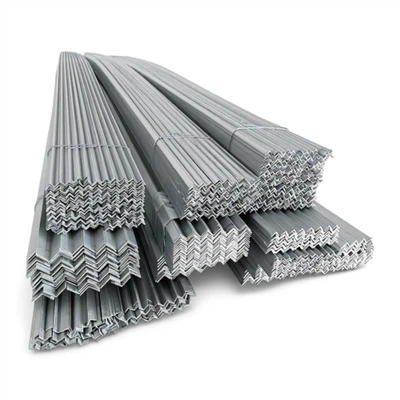
Hey there! As a supplier of Metal U Shaped Channel, I often get asked about the chemical composition of these handy products. So, I thought I'd take a moment to break it down for you.
First off, let's talk about the most common materials used to make Metal U Shaped Channels: stainless steel. Stainless steel is a popular choice because of its durability, corrosion resistance, and aesthetic appeal. There are different grades of stainless steel, each with its own unique chemical composition.
One of the most widely used grades is 304 stainless steel. The 304 Stainless Channel is a classic in the industry. It contains about 18 - 20% chromium and 8 - 10.5% nickel. Chromium is the key element that gives stainless steel its corrosion - resistant properties. When exposed to oxygen, chromium forms a thin, invisible layer of chromium oxide on the surface of the steel. This layer acts as a protective barrier, preventing further oxidation and corrosion. Nickel, on the other hand, enhances the ductility and toughness of the steel, making it easier to form into the U - shaped channels.
In addition to chromium and nickel, 304 stainless steel also contains small amounts of other elements. Carbon is present in a range of 0.08% maximum. A small amount of carbon helps to increase the strength of the steel. Manganese is typically around 2% maximum. Manganese aids in the hot - working properties of the steel and also helps to deoxidize it during the manufacturing process. Silicon is usually up to 1% maximum. Silicon improves the strength and oxidation resistance of the steel. Phosphorus and sulfur are kept at very low levels (0.045% and 0.03% maximum respectively) because they can have a negative impact on the corrosion resistance and weldability of the steel.
Another grade that you might come across is 316 stainless steel. While it's not as commonly used as 304 for Metal U Shaped Channels, it has its own advantages. 316 stainless steel contains about 16 - 18% chromium, 10 - 14% nickel, and 2 - 3% molybdenum. The addition of molybdenum significantly improves the steel's resistance to pitting and crevice corrosion, especially in environments where there are chlorides present, such as coastal areas or in applications involving exposure to saltwater.
Now, let's look at the manufacturing process and how it relates to the chemical composition. When making Metal U Shaped Channels, the raw stainless steel is first melted in a furnace. The exact amounts of different elements are carefully controlled during this melting process to achieve the desired chemical composition. Once the steel has the right composition, it is cast into billets or slabs. These are then hot - rolled or cold - rolled to reduce the thickness and shape the steel into the U - shaped cross - section.
The surface finish of the Metal U Shaped Channel can also be affected by its chemical composition. For example, Polished Stainless Steel Channel has a smooth and shiny surface. The presence of elements like chromium and nickel helps in achieving a good polish. Chromium forms a passive film that can be made very smooth during the polishing process, giving the channel an attractive appearance.
The chemical composition also plays a role in the weldability of the Metal U Shaped Channels. Stainless steel can be welded, but the presence of certain elements needs to be considered. For instance, if the carbon content is too high, it can lead to the formation of chromium carbides during welding. These carbides can reduce the corrosion resistance in the heat - affected zone. So, proper welding techniques and filler materials are often used to ensure a strong and corrosion - resistant weld.
When it comes to choosing the right Metal U Shaped Channel for your project, understanding the chemical composition is crucial. If you're working in a normal indoor environment with no special corrosion risks, 304 stainless steel might be a great choice. It's cost - effective and offers good all - around performance. However, if you're in a harsh environment with high levels of chlorides, 316 stainless steel would be more suitable, despite being a bit more expensive.
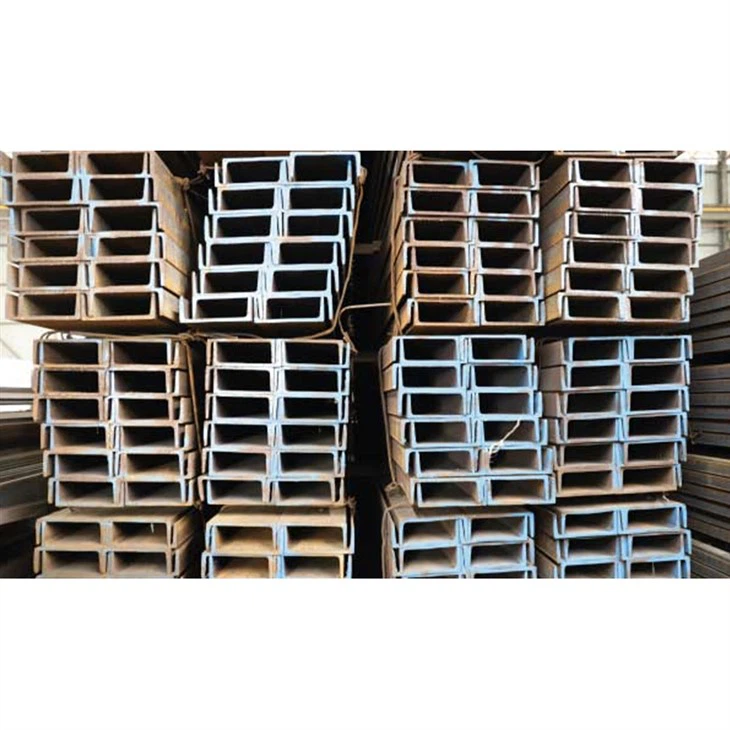
We also offer a variety of Stainless Steel Channel Sections to meet different needs. Whether you need a wide or narrow U - shaped channel, or one with a specific thickness, we can provide you with the right product.
If you're in the market for Metal U Shaped Channels, I encourage you to get in touch with us. We have a team of experts who can help you choose the right product based on your specific requirements. Whether it's for a construction project, a manufacturing application, or any other use, we've got you covered. Don't hesitate to reach out and start a conversation about your Metal U Shaped Channel needs.

References
- ASM Handbook, Volume 1: Properties and Selection: Irons, Steels, and High - Performance Alloys
- Stainless Steel World Magazine articles on stainless steel grades and applications