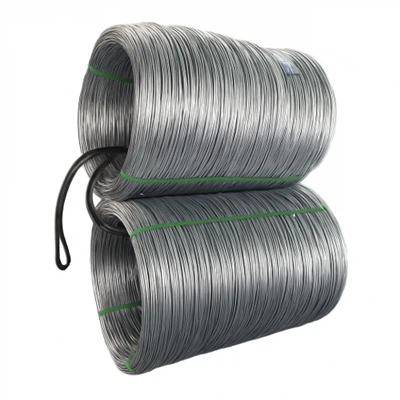
As a supplier of stainless steel round bars, I've had the privilege of working closely with these versatile products for many years. While stainless steel round bars are celebrated for their numerous advantages, it's equally important to shed light on their disadvantages. Understanding these drawbacks can help customers make more informed decisions when selecting materials for their specific applications.
High Initial Cost
One of the most significant disadvantages of stainless steel round bars is their relatively high initial cost compared to other materials such as carbon steel. The production process of stainless steel involves the addition of alloying elements like chromium, nickel, and molybdenum, which contribute to its corrosion resistance and other desirable properties. However, these alloying elements are expensive, driving up the overall cost of the material.
For small - scale projects or applications where budget is a major constraint, the high cost of stainless steel round bars can be a deterrent. Customers may opt for more cost - effective alternatives, even if they sacrifice some of the performance benefits that stainless steel offers. For example, in a simple structural application where corrosion resistance is not a critical factor, carbon steel might be chosen over stainless steel to save on costs.
Difficulty in Machining
Stainless steel round bars can be challenging to machine compared to other metals. The high strength and toughness of stainless steel, combined with its tendency to work - harden during machining, make it a difficult material to cut, drill, and shape. This requires the use of specialized cutting tools and machining techniques.
The cutting tools used for stainless steel need to be made of high - speed steel or carbide, which are more expensive than those used for other metals. Additionally, the machining process may need to be carried out at lower speeds and feeds to prevent overheating and tool wear. This results in longer machining times and increased labor costs. For instance, when manufacturing precision components from stainless steel round bars, the machining process can be time - consuming and costly, reducing the overall efficiency of the production process.
Susceptibility to Galling
Galling is a form of wear that occurs when two metal surfaces in contact with each other slide or rub against each other under high pressure. Stainless steel round bars are particularly susceptible to galling, especially in applications where they are used in threaded connections or sliding contacts.
When galling occurs, the metal surfaces can seize or weld together, leading to damage and failure of the components. This can be a serious problem in critical applications such as aerospace, automotive, and industrial machinery. To prevent galling, special lubricants or anti - galling coatings may need to be applied to the stainless steel surfaces. However, these solutions add to the cost and complexity of the application. For example, in a high - performance engine where stainless steel bolts are used, galling can cause the bolts to break or become difficult to remove, leading to maintenance issues and potential safety risks.
Limited Weldability in Some Grades
While many grades of stainless steel are weldable, some grades present challenges during the welding process. For example, certain high - alloy stainless steels, such as those containing high levels of chromium and nickel, can be prone to cracking and distortion during welding.
The heat generated during welding can cause changes in the microstructure of the stainless steel, leading to reduced corrosion resistance and mechanical properties in the welded area. To overcome these issues, special welding techniques and pre - and post - weld heat treatments may be required. This adds to the complexity and cost of the welding process. For instance, when welding 303 Stainless Steel Round Bar, which has a relatively low carbon content and contains sulfur for improved machinability, special precautions need to be taken to ensure a successful weld.
Environmental Impact of Production
The production of stainless steel round bars has a significant environmental impact. The extraction of raw materials such as iron ore, chromium, and nickel requires large amounts of energy and can cause environmental damage, including deforestation, soil erosion, and water pollution.
The steelmaking process itself is energy - intensive, relying mainly on fossil fuels, which contribute to greenhouse gas emissions. Additionally, the disposal of waste products generated during the production process can pose environmental challenges. As the demand for sustainable and eco - friendly materials grows, the environmental impact of stainless steel production may become a drawback for some customers. For example, companies aiming to reduce their carbon footprint may look for alternative materials with a lower environmental impact.
Poor Thermal Conductivity
Stainless steel has relatively poor thermal conductivity compared to other metals such as copper and aluminum. This can be a disadvantage in applications where efficient heat transfer is required.
In heat - exchanger applications, for example, the low thermal conductivity of stainless steel round bars can result in lower heat - transfer rates, requiring larger heat - exchanger surfaces or more complex designs to achieve the desired heat - transfer performance. This can increase the cost and size of the equipment. In a refrigeration system, using stainless steel round bars in the heat - exchanger components may lead to reduced energy efficiency and higher operating costs.
Corrosion in Specific Environments
Although stainless steel is known for its corrosion resistance, it is not immune to corrosion in all environments. In certain aggressive environments, such as those containing high concentrations of chlorides (e.g., seawater), stainless steel round bars can be susceptible to pitting corrosion, crevice corrosion, and stress - corrosion cracking.
Pitting corrosion occurs when small holes or pits form on the surface of the stainless steel, which can lead to the failure of the component over time. Crevice corrosion happens in areas where there are gaps or crevices, such as between two mating parts. Stress - corrosion cracking can occur when the stainless steel is under stress in a corrosive environment. For example, 420 Stainless Steel Round Bar, which is a martensitic stainless steel, may be more prone to corrosion in marine environments compared to other grades of stainless steel.


High Weight
Stainless steel round bars are relatively heavy compared to some other materials, such as aluminum. This can be a disadvantage in applications where weight is a critical factor, such as in the aerospace and automotive industries.
The increased weight of stainless steel components can lead to higher fuel consumption in vehicles and reduced payload capacity in aircraft. For example, in the design of an aircraft, using stainless steel round bars instead of aluminum for structural components may result in a heavier aircraft, which requires more fuel to operate and reduces its overall efficiency.
Difficulty in Surface Finishing
Achieving a consistent and high - quality surface finish on stainless steel round bars can be difficult. The high hardness and toughness of stainless steel make it challenging to polish or grind the surface to the desired smoothness.
In applications where a smooth and aesthetically pleasing surface finish is required, such as in architectural or decorative applications, additional processing steps may be needed. This can increase the cost and time required for production. For example, when using Bright Steel Rod for decorative purposes, achieving a mirror - like finish may involve multiple polishing and buffing operations.
Despite these disadvantages, stainless steel round bars still have many advantages, such as high strength, corrosion resistance, and aesthetic appeal. If you are considering using stainless steel round bars for your project, I encourage you to contact us for a detailed discussion. Our team of experts can help you evaluate whether stainless steel is the right choice for your specific application and guide you through the selection process. We can also provide you with information on the best practices for handling, machining, and maintaining stainless steel round bars to minimize the impact of these disadvantages.
References
- ASM Handbook Committee, "ASM Handbook Volume 13A: Corrosion: Fundamentals, Testing, and Protection", ASM International, 2003.
- Tooling U - SME, "Machining Stainless Steel: Best Practices", 2020.
- International Stainless Steel Forum, "Stainless Steel: A Material for Our Future", 2019.