Bright steel rod is a crucial material in various industries, known for its high precision, smooth surface, and excellent mechanical properties. As a leading supplier of bright steel rod, I have witnessed firsthand the diverse applications and the importance of different shapes in meeting the specific needs of our customers. In this blog post, I will explore the common shapes of bright steel rod and their unique advantages.
Round Bright Steel Rod
The round bright steel rod is perhaps the most common and widely used shape in the industry. Its circular cross - section offers several benefits that make it suitable for a multitude of applications.
One of the key advantages of round bright steel rods is their excellent uniformity. The consistent diameter along the length of the rod ensures that it can be easily machined, turned, or threaded. This makes it a popular choice in the manufacturing of shafts, axles, and bolts. For example, in the automotive industry, round bright steel rods are used to produce engine shafts that require high precision and smooth rotation.


Another benefit is its strength - to - weight ratio. The circular shape distributes stress evenly around the circumference, allowing the rod to withstand high loads without excessive deformation. This property is essential in applications such as construction, where round bright steel rods are used as reinforcement bars in concrete structures.
If you are interested in a high - quality round bright steel rod, you can check out our 303 Stainless Steel Round Bar. It is made from premium stainless steel, offering excellent corrosion resistance and mechanical properties.
Square Bright Steel Rod
Square bright steel rods have a square cross - section, which provides unique characteristics compared to round rods. The flat sides of the square rod make it ideal for applications where a stable and flat surface is required.
In the manufacturing of frames and structures, square bright steel rods are often used. The square shape allows for easy joining and welding, as the flat surfaces provide a larger contact area. This results in a stronger and more stable connection. For instance, in the fabrication of furniture frames, square bright steel rods can be cut and welded together to create a sturdy and aesthetically pleasing structure.
Square bright steel rods are also commonly used in the production of tools and dies. The flat sides can be machined to precise dimensions, making it easier to create complex shapes and features. This is particularly useful in the tool - making industry, where high precision is crucial.
Hexagonal Bright Steel Rod
Hexagonal bright steel rods have a hexagonal cross - section, which offers a combination of the advantages of round and square rods. The six - sided shape provides a larger surface area compared to a round rod, while still maintaining some of the symmetry and strength properties.
One of the main applications of hexagonal bright steel rods is in the manufacturing of fasteners. The hexagonal shape allows for easy gripping with a wrench, making it convenient to install and remove bolts and nuts. In the machinery industry, hexagonal bright steel rods are used to produce high - strength bolts that can withstand heavy loads and vibrations.
Hexagonal bright steel rods are also used in the production of decorative items. The unique shape adds an aesthetic appeal, making them suitable for applications such as architectural accents and jewelry components.
Flat Bright Steel Rod
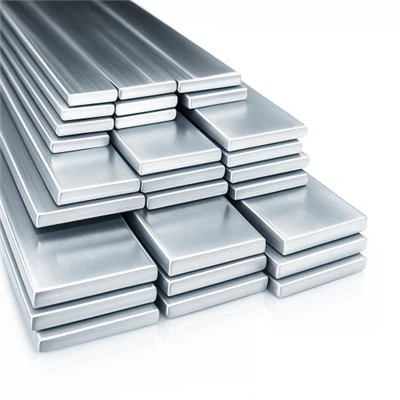
Flat bright steel rods have a rectangular cross - section, with a relatively large width compared to the thickness. This shape makes them ideal for applications where a large surface area is required.
In the electrical industry, flat bright steel rods are used as busbars. The large surface area allows for efficient conduction of electricity, reducing resistance and heat generation. This is crucial in high - power electrical systems, where minimizing energy loss is essential.
Flat bright steel rods are also commonly used in the manufacturing of springs. The flat shape can be easily formed into various spring configurations, such as leaf springs. These springs are widely used in automotive suspension systems, providing a cushioning effect and improving ride comfort.
Special Shapes
In addition to the common shapes mentioned above, we also offer custom - made bright steel rods with special shapes to meet the specific requirements of our customers. These special shapes can be designed based on the unique needs of different industries and applications.
For example, in the aerospace industry, bright steel rods with complex cross - sections may be required to meet the strict weight and strength requirements. Our experienced engineering team can work closely with customers to design and manufacture these special - shaped bright steel rods using advanced manufacturing techniques.
If you have a specific shape in mind, please do not hesitate to contact us. We are committed to providing you with the highest quality bright steel rods that meet your exact specifications.
Conclusion
As a supplier of bright steel rod, we understand the importance of offering a wide range of shapes to meet the diverse needs of our customers. Whether you need a round rod for a simple shaft or a custom - shaped rod for a complex application, we have the expertise and resources to provide you with the right solution.
The choice of bright steel rod shape depends on various factors, including the application, load requirements, and manufacturing process. By understanding the unique properties of each shape, you can make an informed decision and select the most suitable bright steel rod for your project.
If you are interested in purchasing bright steel rods or have any questions about our products, please feel free to contact us. Our dedicated sales team is ready to assist you with your procurement needs and provide you with professional advice. Let's start a productive business relationship and work together to achieve your goals.
References
- "Metals Handbook: Properties and Selection: Irons and Steels", ASM International
- "Mechanical Engineering Design", Joseph E. Shigley, Charles R. Mischke, Richard G. Budynas