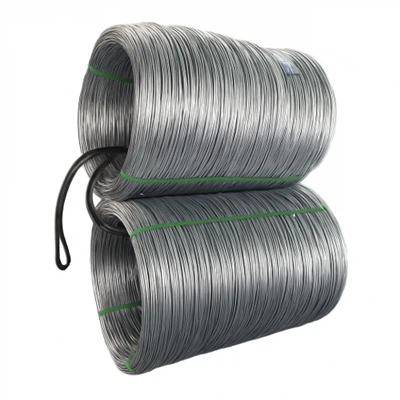
Stainless steel flat bars are a staple in various industries, from construction to manufacturing, due to their versatility and strength. One of the most common questions I, as a stainless steel flat bar supplier, encounter is whether these bars are corrosion-resistant. In this blog post, I'll delve into the science behind stainless steel's corrosion resistance, explore different types of stainless steel flat bars, and discuss the factors that can affect their performance in corrosive environments.
Understanding Stainless Steel's Corrosion Resistance
Stainless steel is an alloy primarily composed of iron, chromium, and other elements such as nickel, molybdenum, and manganese. The key to its corrosion resistance lies in the chromium content. When chromium is exposed to oxygen, it forms a thin, invisible layer of chromium oxide on the surface of the steel. This layer acts as a protective barrier, preventing further oxidation and corrosion of the underlying metal.
The minimum chromium content required for stainless steel to be considered corrosion-resistant is typically around 10.5%. As the chromium content increases, so does the steel's resistance to corrosion. Other elements, such as nickel and molybdenum, can also enhance the corrosion resistance of stainless steel, especially in more aggressive environments.
Types of Stainless Steel Flat Bars and Their Corrosion Resistance
There are several types of stainless steel flat bars available on the market, each with its own unique properties and corrosion resistance characteristics. Here are some of the most common types:
304 Stainless Steel Flat Bar
304 Stainless Steel Flat Bar is one of the most widely used grades of stainless steel. It contains approximately 18% chromium and 8% nickel, which gives it excellent corrosion resistance in a variety of environments. 304 stainless steel is resistant to most oxidizing acids, such as nitric acid, and is commonly used in food processing, architectural applications, and general manufacturing.
However, 304 stainless steel may not be suitable for environments with high concentrations of chlorides, such as seawater or coastal areas. In these environments, the protective chromium oxide layer can be damaged by chloride ions, leading to pitting corrosion.


316 Stainless Steel Flat Bar
316 Stainless Steel Flat Bar is another popular grade of stainless steel, known for its superior corrosion resistance compared to 304. It contains approximately 16-18% chromium, 10-14% nickel, and 2-3% molybdenum. The addition of molybdenum significantly enhances the steel's resistance to pitting and crevice corrosion in chloride-containing environments.
316 stainless steel is commonly used in marine applications, chemical processing, and other industries where exposure to corrosive substances is likely. It is also suitable for use in food processing equipment, as it is resistant to many food acids and can withstand high temperatures.
Black Steel Flat Bar
Black Steel Flat Bar is a type of carbon steel that has been treated to form a black oxide coating on the surface. While this coating provides some protection against corrosion, it is not as effective as the chromium oxide layer on stainless steel. Black steel flat bars are typically used in applications where appearance is not a major concern and where some level of corrosion resistance is required, such as in construction and general fabrication.
Factors Affecting the Corrosion Resistance of Stainless Steel Flat Bars
While stainless steel flat bars are generally corrosion-resistant, several factors can affect their performance in corrosive environments. Here are some of the most important factors to consider:
Environment
The type of environment in which the stainless steel flat bar is used is one of the most significant factors affecting its corrosion resistance. Environments with high levels of moisture, salt, or chemicals can accelerate the corrosion process. For example, stainless steel flat bars used in coastal areas or in chemical plants may require a higher grade of stainless steel with better corrosion resistance.
Surface Finish
The surface finish of the stainless steel flat bar can also affect its corrosion resistance. A smooth, polished surface is less likely to trap dirt, moisture, and other contaminants, which can lead to corrosion. On the other hand, a rough or scratched surface can provide a site for corrosion to start. It is important to choose a stainless steel flat bar with the appropriate surface finish for the intended application.
Temperature
Temperature can also have an impact on the corrosion resistance of stainless steel flat bars. In general, higher temperatures can accelerate the corrosion process, especially in the presence of moisture and oxygen. Stainless steel flat bars used in high-temperature applications may require special alloys or coatings to maintain their corrosion resistance.
Maintenance
Proper maintenance is essential to ensure the long-term corrosion resistance of stainless steel flat bars. Regular cleaning and inspection can help remove dirt, debris, and other contaminants that can cause corrosion. In addition, any scratches or damage to the surface of the stainless steel should be repaired promptly to prevent corrosion from starting.
Conclusion
In conclusion, stainless steel flat bars are generally corrosion-resistant due to the presence of a protective chromium oxide layer on the surface. However, the level of corrosion resistance can vary depending on the type of stainless steel, the environment in which it is used, and other factors. As a stainless steel flat bar supplier, I recommend choosing the appropriate grade of stainless steel for your specific application and taking proper care to maintain its corrosion resistance.
If you have any questions about stainless steel flat bars or need help selecting the right product for your project, please don't hesitate to contact me. I'm here to provide you with the information and support you need to make an informed decision. Let's start a conversation and explore how our stainless steel flat bars can meet your requirements.
References
- ASM Handbook, Volume 13A: Corrosion: Fundamentals, Testing, and Protection
- Stainless Steel World Americas
- The Nickel Institute