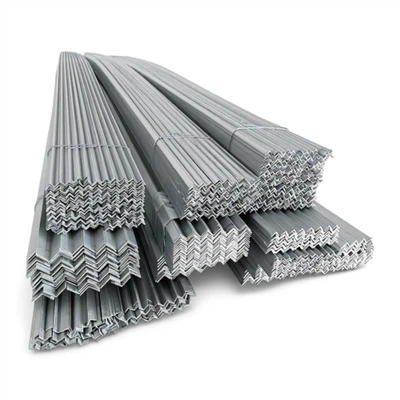
Hey there! As a supplier of steel solid angle bars, I've seen firsthand how crucial it is to measure these bars accurately. Whether you're a construction pro, a DIY enthusiast, or just someone looking to get the right materials for a project, nailing the measurements is key. In this blog, I'll share some tips and tricks on how to measure the dimensions of a steel solid angle bar accurately.
Why Accurate Measurements Matter
Before we dive into the how-to, let's talk about why accurate measurements are so important. When you're working with steel solid angle bars, even a small measurement error can lead to big problems. For example, if the bars are too short, they won't provide the necessary support. On the other hand, if they're too long, you'll end up wasting materials and money. Plus, inaccurate measurements can make it difficult to install the bars properly, which can compromise the safety and stability of your project.
Tools You'll Need
To measure a steel solid angle bar accurately, you'll need a few basic tools. Here's what you'll need:
- Measuring Tape: A good quality measuring tape is essential for measuring the length and width of the bar. Make sure it's long enough to measure the entire length of the bar.
- Vernier Caliper: A vernier caliper is a precision measuring tool that can be used to measure the thickness and angle of the bar. It's more accurate than a measuring tape and can provide measurements up to 0.02 mm.
- Protractor: A protractor is used to measure the angle of the bar. It's especially useful if you need to measure the angle of a non-standard bar.
- Square: A square is used to check if the bar is straight and to measure the right angle of the bar. It's a simple but essential tool for any measurement task.
Measuring the Length and Width
The first step in measuring a steel solid angle bar is to measure its length and width. Here's how you can do it:
- Place the bar on a flat surface: Make sure the bar is straight and level. If it's not, you won't get accurate measurements.
- Measure the length: Use a measuring tape to measure the length of the bar from one end to the other. Make sure the tape is straight and parallel to the bar.
- Measure the width: Use a measuring tape to measure the width of the bar at its widest point. Make sure the tape is perpendicular to the bar.
- Record the measurements: Write down the length and width measurements in a notebook or on a piece of paper. Make sure you label them clearly.
Measuring the Thickness
The next step is to measure the thickness of the bar. Here's how you can do it:
- Open the vernier caliper: Make sure the jaws of the caliper are clean and free of debris.
- Place the caliper on the bar: Place the jaws of the caliper on the bar at the point where you want to measure the thickness. Make sure the caliper is perpendicular to the bar.
- Close the caliper: Gently close the jaws of the caliper until they touch the bar. Make sure you don't apply too much pressure, as this can damage the bar.
- Read the measurement: Look at the scale on the caliper and read the measurement. Make sure you read the measurement accurately and record it in your notebook.
Measuring the Angle
If you need to measure the angle of the bar, you'll need a protractor. Here's how you can do it:
- Place the protractor on the bar: Place the protractor on the bar at the point where you want to measure the angle. Make sure the protractor is centered on the bar and that the base of the protractor is parallel to one of the sides of the bar.
- Read the measurement: Look at the scale on the protractor and read the measurement. Make sure you read the measurement accurately and record it in your notebook.
Measuring the Right Angle
To measure the right angle of the bar, you'll need a square. Here's how you can do it:
- Place the square on the bar: Place the square on the bar at the point where you want to measure the right angle. Make sure the square is centered on the bar and that one of the sides of the square is parallel to one of the sides of the bar.
- Check if the bar is straight: Look at the other side of the square and check if it's parallel to the other side of the bar. If it is, the bar is straight and the angle is a right angle.
- Record the measurement: If the bar is straight and the angle is a right angle, record the measurement in your notebook.
Tips for Accurate Measurements
Here are some tips to help you get accurate measurements:
- Use the right tools: Make sure you use the right tools for the job. Using the wrong tools can lead to inaccurate measurements.
- Measure multiple times: To ensure accuracy, measure the bar multiple times and take the average of the measurements.
- Check the tools: Before you start measuring, make sure your tools are clean, calibrated, and in good working condition.
- Be careful: When measuring the bar, be careful not to damage it. Applying too much pressure or using the wrong tools can damage the bar and affect the accuracy of your measurements.
Conclusion
Measuring the dimensions of a steel solid angle bar accurately is essential for any project. By following the tips and techniques outlined in this blog, you can ensure that you get accurate measurements every time. Remember to use the right tools, measure multiple times, and be careful when handling the bar. If you have any questions or need further assistance, feel free to contact us. We're here to help you get the right materials for your project.


And if you're in the market for steel solid angle bars, we've got you covered. We offer a wide range of L Type Angle Bar, Stainless Steel 304 Angle Bar, and Standard Angle Bar. Our bars are made from high-quality materials and are available in a variety of sizes and thicknesses. So, whether you're working on a small DIY project or a large construction project, we've got the right bar for you.
If you're interested in purchasing our steel solid angle bars, please contact us for more information. We'll be happy to provide you with a quote and answer any questions you may have. Let's work together to make your project a success!
References
- "Measurement Techniques for Steel Structures." Construction Handbook.
- "Precision Measuring Tools: A Guide." Tool Manufacturer's Manual.