


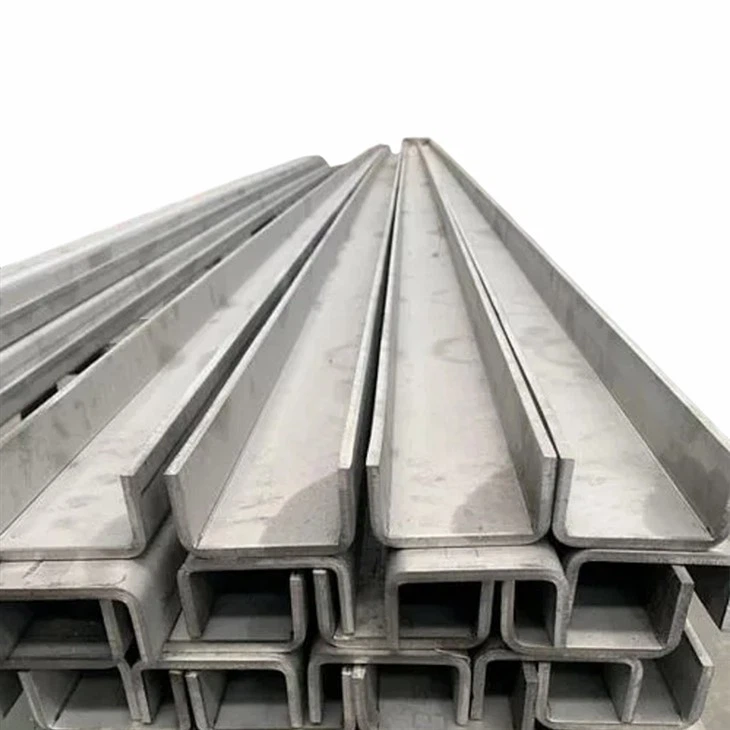
Hey there! As a supplier of stainless steel channels, I've seen firsthand how important it is to keep these versatile metal products clean. Whether you're using them in construction, manufacturing, or any other industry, a clean stainless steel channel not only looks great but also performs better and lasts longer. In this blog post, I'll share some tips and tricks on how to clean stainless steel channels effectively.
Why Cleaning Stainless Steel Channels Matters
Before we dive into the cleaning process, let's talk about why it's so crucial to keep your stainless steel channels clean. Stainless steel is known for its corrosion resistance, but that doesn't mean it's immune to dirt, grime, and other contaminants. Over time, these substances can build up on the surface of the channel, causing it to look dull and unattractive. More importantly, they can also compromise the integrity of the stainless steel, leading to corrosion and other forms of damage.
Regular cleaning helps to remove these contaminants and prevent them from causing long-term damage. It also helps to maintain the appearance of the stainless steel channel, making it look new and shiny for longer. Additionally, a clean stainless steel channel is easier to work with and can improve the overall efficiency of your operations.
What You'll Need
Before you start cleaning your stainless steel channel, you'll need to gather a few supplies. Here's what you'll need:
- Mild detergent: Choose a mild, non-abrasive detergent that's specifically designed for cleaning stainless steel. Avoid using harsh chemicals or abrasive cleaners, as these can damage the surface of the stainless steel.
- Soft cloths or sponges: Use soft, lint-free cloths or sponges to clean the stainless steel channel. Avoid using abrasive materials, such as steel wool or scouring pads, as these can scratch the surface of the stainless steel.
- Warm water: Fill a bucket or sink with warm water to use for cleaning the stainless steel channel.
- Rinse water: You'll also need a separate container of clean, warm water to rinse the stainless steel channel after cleaning.
- Microfiber towel: Use a microfiber towel to dry the stainless steel channel after rinsing. Microfiber towels are soft and absorbent, and they won't leave any lint or streaks on the surface of the stainless steel.
Step-by-Step Cleaning Process
Now that you have all the supplies you need, it's time to start cleaning your stainless steel channel. Here's a step-by-step guide to help you through the process:
- Prepare the cleaning solution: Mix a small amount of mild detergent with warm water in a bucket or sink. Stir the solution gently to ensure that the detergent is fully dissolved.
- Wipe down the stainless steel channel: Dip a soft cloth or sponge into the cleaning solution and wring it out gently. Then, wipe down the entire surface of the stainless steel channel, using long, smooth strokes. Pay special attention to any areas that are particularly dirty or greasy.
- Rinse the stainless steel channel: Once you've wiped down the entire surface of the stainless steel channel, rinse it thoroughly with clean, warm water. Use a separate container of water to avoid contaminating the cleaning solution.
- Dry the stainless steel channel: Use a microfiber towel to dry the stainless steel channel immediately after rinsing. Make sure to dry the entire surface of the channel, including any crevices or corners.
- Inspect the stainless steel channel: Once the stainless steel channel is dry, inspect it carefully to make sure that it's clean and free of any dirt or streaks. If you notice any areas that are still dirty, repeat the cleaning process until the channel is completely clean.
Tips for Cleaning Stubborn Stains
Sometimes, you may encounter stubborn stains or marks on your stainless steel channel that are difficult to remove with a mild detergent and water. Here are some tips for cleaning stubborn stains:

- Use vinegar: Vinegar is a natural cleaning agent that can be effective at removing stubborn stains from stainless steel. Mix equal parts vinegar and water in a spray bottle and spray the solution onto the stain. Let the solution sit on the stain for a few minutes, then wipe it away with a soft cloth or sponge.
- Try baking soda: Baking soda is another natural cleaning agent that can be effective at removing stubborn stains from stainless steel. Make a paste by mixing baking soda with a small amount of water. Apply the paste to the stain and let it sit for a few minutes. Then, scrub the stain gently with a soft cloth or sponge and rinse it away with clean, warm water.
- Use a commercial stainless steel cleaner: If the above methods don't work, you may want to try using a commercial stainless steel cleaner. There are many different types of stainless steel cleaners available on the market, so choose one that's specifically designed for the type of stain you're trying to remove. Follow the instructions on the cleaner carefully and test it on a small, inconspicuous area of the stainless steel channel first to make sure that it doesn't damage the surface.
Preventing Future Stains and Damage
Once you've cleaned your stainless steel channel, it's important to take steps to prevent future stains and damage. Here are some tips to help you keep your stainless steel channel clean and looking great:
- Wipe up spills immediately: If you spill something on your stainless steel channel, wipe it up immediately to prevent it from staining the surface.
- Avoid using abrasive materials: As mentioned earlier, avoid using abrasive materials, such as steel wool or scouring pads, to clean your stainless steel channel. These materials can scratch the surface of the stainless steel, making it more susceptible to stains and damage.
- Use a protective coating: If you're using your stainless steel channel in a particularly harsh environment, you may want to consider applying a protective coating to the surface. There are many different types of protective coatings available on the market, so choose one that's specifically designed for stainless steel.
- Store the stainless steel channel properly: When you're not using your stainless steel channel, store it in a dry, clean place to prevent it from getting dirty or damaged.
Conclusion
Cleaning your stainless steel channel is an important part of maintaining its appearance and performance. By following the tips and tricks outlined in this blog post, you can keep your stainless steel channel clean and looking great for years to come.
If you're in the market for high-quality stainless steel channels, we've got you covered. We offer a wide range of Stainless Steel Channel Sections, including 304 Stainless Channel and 316 Stainless Steel Channel. Our products are made from the highest quality materials and are designed to meet the needs of a variety of industries.
If you have any questions or would like to learn more about our stainless steel channels, please don't hesitate to contact us. We're always happy to help and look forward to working with you!
References
- "Stainless Steel Cleaning and Maintenance Guide." The International Stainless Steel Forum.
- "How to Clean Stainless Steel." Bob Vila.


