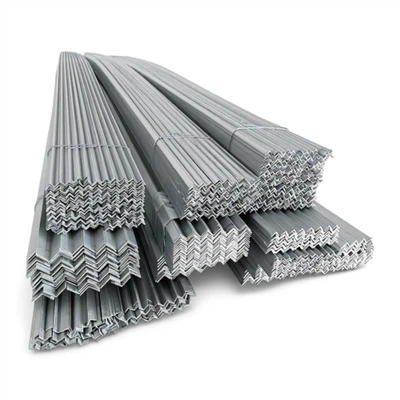
Hey there! I'm a supplier of Stainless Flat Wire, and I've been in this business for quite a while. Over the years, I've learned a thing or two about how the surface roughness of stainless flat wire can affect its function. In this blog post, I'm gonna share some insights with you.
First off, let's talk about what surface roughness actually is. Surface roughness refers to the irregularities on the surface of the wire. These irregularities can be caused by various factors during the manufacturing process, like the type of machining, the quality of the raw materials, and the finishing treatments.
One of the most obvious ways surface roughness affects the function of stainless flat wire is in its appearance. A wire with a rough surface might look a bit dull and unappealing. In applications where aesthetics matter, like in jewelry or decorative items, a smooth - surfaced Stainless Flat Wire is usually preferred. You can check out our Stainless Flat Wire for some high - quality options with great surface finish.
But it's not just about looks. Surface roughness also has a big impact on the mechanical properties of the wire. When it comes to friction, a rough surface will have more friction compared to a smooth one. In applications where the wire needs to slide or move against other components, high friction can be a real problem. For example, in some precision machinery, if the stainless flat wire has a rough surface, it can cause increased wear and tear on both the wire and the parts it interacts with. This can lead to a shorter lifespan of the components and more frequent maintenance.
On the other hand, in some cases, a certain amount of surface roughness can be beneficial. For instance, in applications where the wire needs to grip onto something, like in a clamping device, a rough surface can provide better grip. The irregularities on the surface can create more contact points, increasing the frictional force and making the grip more secure.
Corrosion resistance is another important factor affected by surface roughness. A rough surface has more crevices and valleys where moisture, chemicals, and other corrosive agents can accumulate. This can make the wire more prone to corrosion compared to a smooth - surfaced wire. In harsh environments, such as marine or chemical processing plants, corrosion can quickly degrade the wire's performance and lead to failures. We also offer Black Stainless Wire, which has special properties and a finish that can sometimes help with corrosion resistance.
The electrical conductivity of stainless flat wire can also be influenced by surface roughness. In electrical applications, a smooth surface allows for better electron flow. A rough surface can disrupt the flow of electrons, increasing electrical resistance. This can lead to energy losses in the form of heat, which is not only inefficient but can also pose a safety hazard in some cases.
Now, let's talk about how we, as a supplier, deal with surface roughness. During the manufacturing process, we use advanced techniques to control the surface finish of the wire. We start with high - quality raw materials, and then use precise machining and finishing processes. For example, we might use grinding or polishing to achieve a smoother surface. We also have strict quality control measures in place to ensure that the surface roughness of our wires meets the required standards.
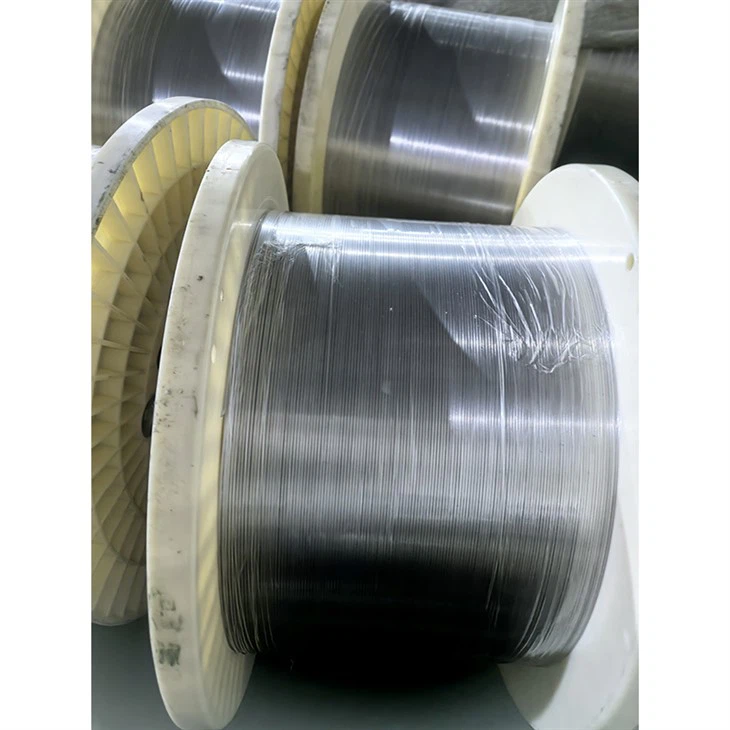

We understand that different applications have different requirements for surface roughness. That's why we offer a variety of options for our Stainless Flat Wire. Whether you need a super - smooth wire for a high - end jewelry piece or a wire with a bit more roughness for a clamping application, we've got you covered.
Another aspect to consider is the compatibility of the wire with other materials. If the wire is going to be used in a composite or an assembly with other parts, the surface roughness can affect how well it bonds or interacts with those parts. A rough surface might provide better adhesion in some cases, but it can also cause problems if it doesn't fit well with the mating surfaces.
In the case of 420 Stainless Steel Wire, which is known for its good strength and hardness, surface roughness still plays a crucial role. The right surface finish can enhance its performance in cutting tools, springs, and other applications where this type of wire is commonly used.
If you're in the market for stainless flat wire, it's important to think about the surface roughness and how it will impact your specific application. Don't hesitate to reach out to us if you have any questions or need advice. We're here to help you choose the right wire with the optimal surface finish for your project. Whether you're a small - scale craftsman or a large - scale industrial manufacturer, we can provide you with the right products and solutions.
In conclusion, the surface roughness of stainless flat wire is a critical factor that can significantly affect its function in various applications. From aesthetics to mechanical properties, corrosion resistance, and electrical conductivity, every aspect of the wire's performance can be influenced by how rough or smooth its surface is. As a supplier, we're committed to providing high - quality wires with the right surface finish to meet your needs. So, if you're interested in purchasing stainless flat wire, feel free to contact us for more information and to start a purchase negotiation. We look forward to working with you!
References:
- Some textbooks on materials science and engineering that cover the properties of stainless steel and surface finish.
- Industry research reports on the performance of stainless flat wire in different applications.