Can L Type Angle Bars be used in greenhouse construction?
As a supplier of L Type Angle Bars, I often get asked whether these versatile structural components can be effectively used in greenhouse construction. In this blog post, I'll delve into the characteristics of L Type Angle Bars and explore their suitability for greenhouse building projects.
Understanding L Type Angle Bars
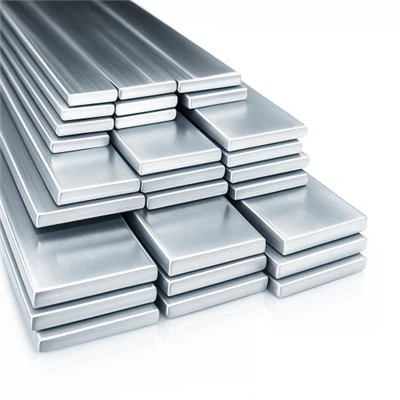
L Type Angle Bars, also known as angle irons, are structural steel products with an L-shaped cross - section. They are typically made from various materials such as carbon steel, stainless steel, and aluminum. The two legs of the L can have equal or unequal lengths, offering flexibility in different applications. These bars are known for their high strength - to - weight ratio, which makes them a popular choice in many construction and engineering projects.
Advantages of Using L Type Angle Bars in Greenhouse Construction
1. Structural Support
One of the primary requirements in greenhouse construction is a strong and stable frame to support the covering material, whether it's glass, polycarbonate, or polyethylene. L Type Angle Bars can provide excellent structural support. Their L - shape distributes the load evenly across the two legs, allowing them to withstand vertical and horizontal forces. For example, they can be used to create the main framework of the greenhouse, including the sidewalls, roof trusses, and corner supports. The bars can be welded or bolted together to form a rigid structure that can resist wind, snow, and the weight of the covering.
2. Durability
Greenhouses are exposed to various environmental conditions, including moisture, sunlight, and temperature fluctuations. Stainless steel L Type Angle Bars, in particular, offer exceptional durability. Stainless steel is resistant to rust and corrosion, which is crucial in a humid greenhouse environment. Stainless Steel 304 Angle Bar is a common choice as it has good corrosion resistance and can maintain its structural integrity over a long period. This means less maintenance and replacement cost for greenhouse owners in the long run.


3. Customizability
L Type Angle Bars come in a variety of sizes and thicknesses, allowing for customization based on the specific requirements of the greenhouse. Whether you are building a small backyard greenhouse or a large commercial one, you can choose the appropriate angle bar dimensions to ensure the strength and stability of the structure. Additionally, they can be easily cut, bent, and shaped to fit different design concepts. For instance, curved angle bars can be used to create arched roofs, which are popular in modern greenhouse designs.
4. Cost - Effectiveness
Compared to some other structural materials, L Type Angle Bars are relatively cost - effective. Their high strength - to - weight ratio means that less material is needed to achieve the same level of structural support. This reduces the overall material cost of the greenhouse construction. Moreover, the ease of installation can also save on labor costs. With basic welding or bolting skills, the angle bars can be assembled into the greenhouse frame quickly.
Considerations When Using L Type Angle Bars in Greenhouse Construction
1. Material Selection
As mentioned earlier, different materials have different properties. While stainless steel offers excellent corrosion resistance, it may be more expensive than carbon steel. Carbon steel angle bars are more affordable but require proper coating or painting to prevent rust. Aluminum angle bars are lightweight and corrosion - resistant, but they may not be as strong as steel bars. When choosing the material, consider the budget, the local climate, and the expected lifespan of the greenhouse.
2. Design and Engineering
Proper design and engineering are essential when using L Type Angle Bars in greenhouse construction. The size, spacing, and connection details of the angle bars need to be carefully calculated to ensure the structural integrity of the greenhouse. It's advisable to consult a structural engineer or an experienced greenhouse builder to design the framework based on the specific site conditions and the intended use of the greenhouse.
3. Installation
Correct installation is crucial for the performance of the L Type Angle Bars. Whether welding or bolting, the connections need to be strong and secure. Welding should be done by a qualified welder to ensure the quality of the joint. Bolts should be tightened to the appropriate torque to prevent loosening over time. Additionally, proper alignment of the angle bars during installation is necessary to avoid any structural weaknesses.
Examples of L Type Angle Bar Applications in Greenhouses
1. Sidewall Framing
L Type Angle Bars can be used to create the vertical and horizontal members of the greenhouse sidewalls. The vertical bars can be anchored to the foundation, providing a stable base for the structure. The horizontal bars can be attached to the vertical ones to support the covering material and resist lateral forces.
2. Roof Trusses
In greenhouse roof construction, L Type Angle Bars can be used to form the trusses. The triangular shape of the trusses distributes the weight of the roof evenly, allowing the angle bars to support the load effectively. Different truss designs can be created using angle bars, such as king - post trusses or queen - post trusses, depending on the span and the design requirements of the greenhouse.
3. Door and Window Frames
L Type Angle Bars can also be used to create the frames for greenhouse doors and windows. Their strength and rigidity ensure that the doors and windows can open and close smoothly and can withstand the forces exerted on them.
Conclusion
In conclusion, L Type Angle Bars are a viable option for greenhouse construction. Their structural support, durability, customizability, and cost - effectiveness make them well - suited for creating strong and stable greenhouse frameworks. However, careful consideration should be given to material selection, design, and installation to ensure the success of the project.
If you are interested in using L Type Angle Bars for your greenhouse construction project, or if you have any questions about our Standard Angle Bar or Steel Solid Angle Bar products, please feel free to contact us for more information and to discuss your specific requirements. We are here to assist you in finding the best solutions for your greenhouse building needs.
References
- "Structural Steel Design Handbook" by Jack C. McCormac
- "Greenhouse Engineering and Technology" by Bart G. J. Bot and Wim van Iersel